Understanding Sleep Hygiene
Sleep hygiene encompasses a set of practices and habits that are necessary to have normal, quality nighttime sleep and full daytime alertness. It's about creating an optimal environment and routine that signals to your body that it's time to rest. Many people struggle with sleep disturbances, and improving sleep hygiene can be a simple yet effective way to address these issues without resorting to medication.

At Vitality Hub, we believe that good sleep is a cornerstone of overall wellbeing. Poor sleep can affect everything from your mood and energy levels to your immune system and cognitive function. By implementing good sleep hygiene practices, you can significantly improve your sleep quality and, consequently, your quality of life.
Key Components of Good Sleep Hygiene
Several factors contribute to good sleep hygiene. These can be broadly categorized into environmental factors, lifestyle choices, and pre-sleep routines. Let's explore each of these in more detail:
1. Maintain a Consistent Sleep Schedule
Going to bed and waking up at the same time every day, even on weekends, helps regulate your body's natural sleep-wake cycle, also known as your circadian rhythm. This consistency makes it easier to fall asleep and wake up feeling refreshed.
2. Create a Relaxing Bedtime Routine
A relaxing bedtime routine signals to your body that it's time to wind down. This might include taking a warm bath, reading a book, listening to calming music, or practicing meditation or deep breathing exercises. Avoid screen time (phones, tablets, computers) at least an hour before bed, as the blue light emitted from these devices can interfere with melatonin production, a hormone that regulates sleep.
3. Optimize Your Sleep Environment
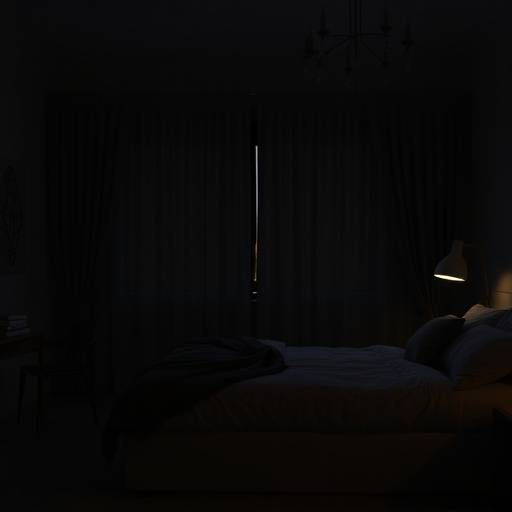
Your bedroom should be a sanctuary for sleep. Ensure it's dark, quiet, and cool. Use blackout curtains, earplugs, or a white noise machine to block out distractions. The ideal room temperature for sleep is between 60 and 67 degrees Fahrenheit (15.5 to 19.5 degrees Celsius). A comfortable mattress and pillows are also essential for good sleep.
4. Watch What You Eat and Drink
Avoid caffeine and alcohol close to bedtime. Caffeine is a stimulant that can keep you awake, while alcohol, although it may initially make you feel drowsy, can disrupt your sleep later in the night. Avoid large meals before bed as well, as they can cause indigestion and discomfort. If you're hungry, opt for a light, healthy snack like a handful of almonds or a small bowl of oatmeal.
5. Exercise Regularly, But Not Too Close to Bedtime
Regular physical activity can improve sleep quality, but avoid intense workouts close to bedtime. Exercise increases your heart rate and body temperature, which can make it difficult to fall asleep. Aim to finish your workouts at least three hours before bed.
6. Manage Stress
Stress and anxiety can significantly interfere with sleep. Practice stress-reduction techniques such as meditation, yoga, or journaling to calm your mind before bed. If you find yourself frequently worrying in bed, try writing down your thoughts and concerns before you go to sleep. This can help you clear your mind and relax.
7. Limit Daytime Naps
While short naps can be beneficial for alertness, long or frequent naps can disrupt your nighttime sleep. If you need to nap, keep it short (20-30 minutes) and avoid napping late in the afternoon.
Troubleshooting Common Sleep Problems
Even with good sleep hygiene, you may still experience occasional sleep problems. Here are some common issues and how to address them:
- Insomnia: If you have persistent difficulty falling asleep or staying asleep, consult with a healthcare professional. Cognitive behavioral therapy for insomnia (CBT-I) is a highly effective treatment that can help you change the thoughts and behaviors that contribute to insomnia.
- Sleep Apnea: If you snore loudly or stop breathing during sleep, you may have sleep apnea. This condition can be serious and should be evaluated by a doctor.
- Restless Legs Syndrome: This condition causes an irresistible urge to move your legs, especially at night. It can be treated with medication or lifestyle changes.
Sample Sleep Schedule
Here's a sample sleep schedule to help you establish a consistent routine:
| Time | Activity |
|---|---|
| 7:00 AM | Wake up, drink a glass of water, expose yourself to natural light. |
| 7:30 AM | Breakfast. |
| 12:00 PM | Lunch. |
| 6:00 PM | Dinner. |
| 8:00 PM | Start winding down: dim the lights, turn off screens. |
| 8:30 PM | Engage in a relaxing activity: read, take a bath, meditate. |
| 9:30 PM | Prepare for bed: brush your teeth, wash your face. |
| 10:00 PM | Go to bed. |
"Implementing these sleep hygiene tips from Vitality Hub has completely transformed my sleep. I used to toss and turn for hours, but now I fall asleep quickly and wake up feeling refreshed. Thank you!"
"I struggled with insomnia for years, but after following Vitality Hub's advice on creating a relaxing bedtime routine and optimizing my sleep environment, I'm finally getting the sleep I need. I highly recommend their resources!"
Expert Advice from Dr. Emily Carter
Dr. Emily Carter, a leading sleep specialist at Vitality Hub, emphasizes the importance of a holistic approach to sleep hygiene. "Sleep is not just about the hours you spend in bed," she says. "It's about the choices you make throughout the day that impact your ability to fall asleep and stay asleep. By paying attention to your lifestyle, your environment, and your mindset, you can significantly improve your sleep quality and overall wellbeing."

Dr. Carter recommends starting with small, manageable changes. "Don't try to overhaul your entire routine overnight," she advises. "Start with one or two simple changes, such as establishing a consistent bedtime or creating a more relaxing sleep environment. Once you've successfully integrated those changes, you can gradually add more. The key is to be patient and consistent."
Contact Us for Personalized Sleep Advice
If you're struggling with sleep problems, don't hesitate to reach out to Vitality Hub for personalized advice and support. Our team of experts can help you identify the underlying causes of your sleep issues and develop a customized plan to improve your sleep quality.
You can contact us by phone at (416) 555-WELL or by email at [email protected]. We're located at 123 Health Street, Suite 456, Toronto, ON M5V 2K7. We look forward to helping you achieve restful nights and energized days!